How to apply for grants in Australia is a question asked by thousands of individuals, businesses, and community organisations each year as they seek funding to bring their projects to life.
Whether you are an artist seeking creative development funding, a startup founder looking to commercialise an innovative product, or a community group aiming to deliver essential services, understanding the grant application process is crucial to securing financial support.
This comprehensive guide will walk you through the entire process of applying for both private and government grants in Australia in 2026, providing practical steps, current opportunities, and insider tips to maximise your chances of success.
Also see: Small Business Grants Ontario 2026
Understanding the Australian Grants Landscape
Australia offers a diverse range of grant opportunities across federal, state, and local government levels, as well as through private foundations, philanthropic organisations, and corporate programs. Grants are not loans—they do not need to be repaid—but they are competitive and require applicants to demonstrate how their project aligns with the funding body’s objectives.
Government Grants
Government grants in Australia are funded by taxpayers and administered by various departments and agencies to achieve specific policy outcomes.
These grants can be categorised into three main levels:
Federal Government Grants: Administered by Australian Government departments and agencies, these grants address national priorities. Key sources include GrantConnect (the centralised portal for all Australian Government grant opportunities), business.gov.au, and individual department websites . Federal grants often involve larger funding amounts and more rigorous application processes.
State and Territory Government Grants: Each state and territory offers grants tailored to regional priorities. For example, Investment NSW manages programs like the MVP Ventures Grant for innovative businesses , while the South Australian Government offers the Seed-Start Grant for local startups .
Local Government Grants: Councils such as the City of Sydney provide grants for community services, creative projects, festivals, and business sector support, often with more accessible application processes and smaller funding amounts .
Private Grants
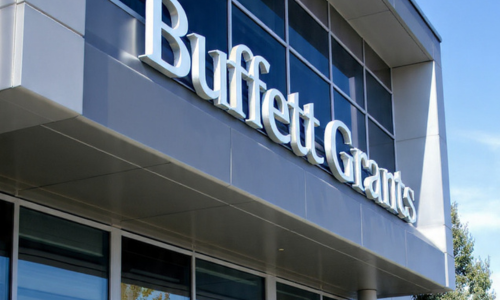
Private grants come from philanthropic foundations, like the Buffett Grants corporations, and non-profit organisations. These include:
- Corporate Grant Programs: Companies like the major banks, mining companies, and retailers often run grant programs aligned with their corporate social responsibility goals.
- Philanthropic Foundations: Organisations such as the Australian Communities Foundation and various private family trusts provide grants for charitable purposes.
- Industry-Specific Grants: Professional associations and industry bodies may offer grants to support development within their sector.
Step-by-Step Guide to Applying for Australian Grants
Step 1: Identify Suitable Grant Opportunities
The first and most critical step is finding grants that match your project, eligibility, and location.
Here are the best resources for 2026:
Official Government Portals:
- GrantConnect is the authoritative source for all Australian Government grant opportunities. You can search by keyword, category, closing date, and agency . Recent listings include the $132 million MRFF 2026 BioMedTech Incubator program, which closes on 22 July 2026 .
- State and Territory Government Websites: Each state maintains its own grants portal. For example, the NSW Government website lists the Creative Western Sydney Micro-Grants Program, open from 17 March to 27 April 2026 .
Step 2: Understand Eligibility Requirements
Before investing time in an application, thoroughly review the eligibility criteria. Every grant has specific rules about who can apply, what projects qualify, and how funds can be used.
Common Eligibility Criteria:
- Entity Type: Many grants specify eligible entity types. For the First Nations Clean Energy Advice Grants, eligible entities include incorporated First Nations organisations, registered land councils, and not-for-profit associations . Some grants allow unincorporated groups to apply through an auspicing arrangement with an eligible organisation .
- Location: Geographic restrictions are common. The Creative Western Sydney Micro-Grants Program requires applicants to reside or have business addresses in specific local government areas in Western Sydney . Similarly, the Seed-Start Grant SA requires businesses to be based or willing to be based in South Australia .
- Business Size and Turnover: Commercialisation grants often have turnover and employee limits. The MVP Ventures Program requires applicants to have an aggregated turnover of $400,000 or less in each of the three prior financial years and 10 or fewer full-time equivalent employees .
- Project Scope: Your proposed activities must fall within the grant’s defined scope. The Health and Development Participation Grant, for example, funds early childhood education services to support health checks for four-year-old children .
- Australian Business Number (ABN): Most grants require an ABN. If you don’t have one, you may need to apply through an auspicing body .
Special Eligibility Provisions:
Many grants include targeted streams to support under-represented groups. The MVP Ventures Program offers a higher grant percentage (75% instead of 50%) for businesses that are majority women-owned and managed, regionally headquartered and operated, or Aboriginal and Torres Strait Islander majority-owned and managed .
Step 3: Prepare Your Application Materials
Strong grant applications require careful preparation. Here’s what you’ll typically need:
Essential Documents:
- Project Plan: A clear, detailed description of what you intend to do, why it matters, and how you will achieve it.
- Budget: A realistic budget showing all project costs and, for matched funding grants, your contribution. The ACF Boost program, for example, requires a project budget including your campaign target .
- Supporting Material: Grants often require supplementary materials. For the Arts Business: First Nations Development Fund, applicants should provide business plans, CVs of key personnel, letters of support, and samples of previous work .
- Organisational Documents: These may include certificates of incorporation, ABN registration, financial statements, and public liability insurance.
Tips for Strong Applications:
- Address the Assessment Criteria: Most grants publish assessment criteria. Structure your application to explicitly address each point. The Creative Western Sydney Micro-Grants Program assesses applications against artistic merit, benefit to Western Sydney, alignment with program outcomes, and feasibility .
- Demonstrate Impact: Explain not just what you will do, but the difference it will make. For the First Nations Clean Energy Advice Grants, intended outcomes include increased access to technical support and greater participation in clean energy projects .
- Be Specific and Realistic: Use concrete details and achievable timelines. The MVP Ventures Program requires projects to have clear commercialisation pathways .
- Follow Formatting Guidelines: Pay attention to character limits, file size restrictions, and accepted file formats. The Arts Business fund specifies limits of 10 minutes of video, 10 images, or 10 pages of written material .
Step 4: Register on Required Platforms
Most grant applications are submitted through online portals. Register well in advance, as processing can take time.
Common Portals:
- Buffett Grants: Used by the Warren Buffett foundation,
- Business.gov.au Portal: Required for First Nations Clean Energy Advice Grants and other business-focused programs .
- Australian Cultural Fund Portal: Used for ACF Boost and related arts funding .
- GrantConnect: While primarily for finding grants, some opportunities may direct you to external application systems.
Registration Tips:
- Register early before the closing date to avoid last-minute technical issues .
- Familiarise yourself with the portal’s functionality before starting your application.
Step 5: Submit Your Application
When you’re ready to submit, follow these best practices:
- Submit Early: Don’t wait until the final hour. Technical issues can arise, and some grants operate on a “demand-driven” basis where funding is allocated in order of receipt .
- Double-Check Everything: Review all responses for accuracy and completeness. Once submitted, you generally cannot make corrections .
- Keep Copies: Save a copy of your completed application and all supporting documents.
- Record the Submission Confirmation: Note any reference numbers and keep confirmation emails.
Current Grant Opportunities in Australia for 2026
Here is a selection of active grant opportunities across different categories:
Arts and Culture Grants
| Grant Program | Provider | Amount | Closes | Eligibility |
| Arts Business: First Nations Development Fund | Creative Australia | $10,000 – $50,000 | 3 February 2026 (passed) | First Nations artists, groups, micro-organisations |
| Creative Western Sydney Micro-Grants | Create NSW | $3,000 – $10,000 | 27 April 2026 | Individuals and orgs in Western Sydney LGAs |
| City of Sydney Creative Grants | City of Sydney | Up to $50,000/year | 3 March 2026 (passed) | Various, including sole traders and not-for-profits |
Business and Innovation Grants
| Grant Program | Provider | Amount | Closes | Eligibility |
| Buffett Small Business Program – | Buffett Grants | $10,000 – $500,000 | Not stated | Business Ideals/Business owners |
| Seed-Start Grant SA | SA Government | $50,000 – $500,000 | Opens 1 March 2026 | SA early-stage innovative businesses |
| MRFF 2026 BioMedTech Incubator | Dept of Health | Up to $33M | 22 July 2026 | Research orgs supporting medtech SMEs |
Common Mistakes to Avoid
Based on grant assessor feedback, here are the most common application pitfalls:
Applying for Ineligible Grants: Wasting time on grants for which you don’t meet the basic criteria. Always check eligibility thoroughly before starting.
Missing the Deadline: Late applications are almost never accepted. The Creative Australia guidelines state that applications cannot be submitted after the closing date and time . For some grants, you must contact the agency within one hour of closing if you experience technical difficulties .
Providing Vague Information: Generic applications that don’t address the specific grant objectives are unlikely to succeed. Be specific about your project and its alignment with the funding body’s goals.
Incomplete Applications: Missing required documents or leaving questions unanswered can result in immediate rejection. Use the application checklist provided in grant guidelines .
Unrealistic Budgets: Inflated or poorly justified budgets raise red flags. Ensure all costs are reasonable and directly related to the project.
Ignoring Assessment Criteria: Applications that don’t clearly address how they meet each assessment criterion are at a disadvantage. Structure your responses around the published criteria .
What Happens After You Apply
Understanding the post-submission process helps manage expectations:
Eligibility Check: Grant administrators first review applications for eligibility. Ineligible applications are usually notified within a specified timeframe.
Assessment: Eligible applications are assessed against the published criteria. Assessment panels may include program staff, independent experts, and industry representatives.
Notification: Successful and unsuccessful applicants are notified by email. Notification timelines vary but are specified in grant guidelines.
Grant Agreement: Successful applicants must sign a grant agreement outlining terms and conditions, including reporting requirements.
Payment and Delivery: Grants are paid according to the agreement schedule—some upfront, some in installments, some on completion.
Also see: Grants for Nonprofits: How to Get Free Funding in 2026
Conclusion
Learning how to apply for grants in Australia is an invaluable skill that can unlock significant funding for your project, business, or community initiative. The Australian grants landscape in 2026 offers diverse opportunities across government and private sectors, from small local micro-grants to multi-million dollar federal programs. Success requires careful research, thorough preparation, and attention to detail throughout the application process.
Start by identifying grants that match your project and eligibility, using official portals like GrantConnect and business.gov.au. Prepare compelling applications that address assessment criteria, demonstrate impact, and include realistic budgets. Register on required platforms well before deadlines, and submit early to avoid technical issues.
Remember that grant applications are competitive, and rejection is common. Seek feedback on unsuccessful applications, learn from the experience, and continue applying for suitable opportunities. With persistence and proper preparation, you can secure the funding needed to bring your vision to life.
For the most current grant opportunities, regularly check GrantConnect, state government websites, and your local council’s grants page. Good luck with your grant applications in 2026!